Accessories, in the order they pay off
A telescope ships with enough to see the Moon on the first night. What you add after that should follow a checklist, not a catalog. Here is a sensible order, with the guide for each step.
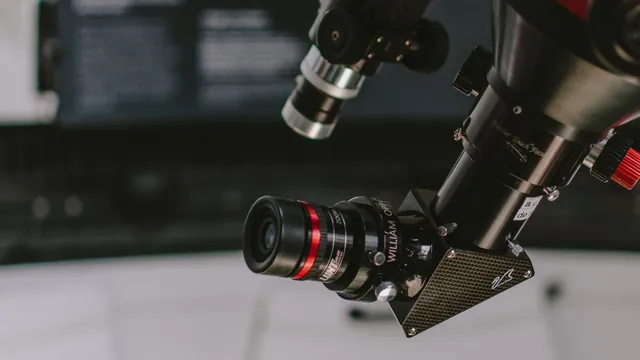
- Learn what your eyepieces already do. Magnification is the telescope's focal length divided by the eyepiece's (Celestron), so the same 10 mm eyepiece gives 40x on a 400 mm travel scope and 203x on a NexStar 8SE. Telescope eyepieces explains focal length, field and eye relief and compares kits and single eyepieces by listing.
- Fill the gap with a Barlow before buying more eyepieces. A 2x Barlow doubles each eyepiece's power. Barlow lens has a with-and-without table for three scopes that shows which combinations stay under Celestron's useful limit and which run past it.
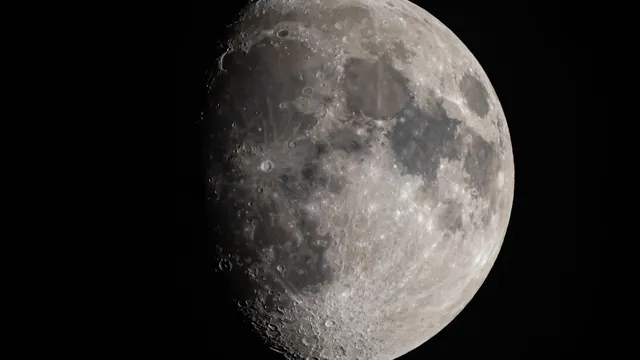
- Tame the Moon. It is dazzling in anything over 100 mm. Moon filter lists the transmission of each Celestron filter (13%, 25%, 50%, or 1 to 40% variable) and maps them to aperture using Celestron's own guidance.
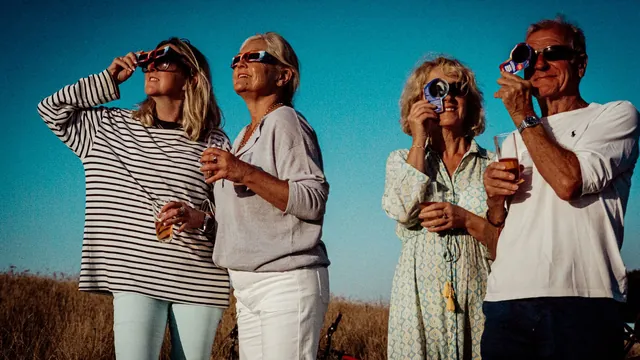
- If you want to see the Sun, read this first. A Moon filter is not a solar filter. NASA and the American Astronomical Society say a solar filter must be mounted over the front of the optics, and filters that screw into an eyepiece are dangerous. Solar filters follows those rules and covers Celestron's EclipSmart front filters and Thousand Oaks film.
- Make the nights easier. A red light protects dark adaptation (20 to 40 minutes to build, per the National Park Service), a red-dot finder makes aiming simple, a planisphere shows what is up, and reflector owners need a collimation tool. All of it is in astronomy accessories, with power packs for GoTo mounts.
- Or skip the telescope for now. NASA's Night Sky Network calls binoculars "an excellent first instrument." Binoculars for astronomy has an exit pupil, field and weight table for 7x50 through 25x100 from Celestron's specs.
Buying for someone else? Astronomy gifts sorts the same gear by size of gift and by who it suits. Product details come from the maker or the Amazon listing, and we say which.